Panyu District, Guangzhou · Established 2013
Tube OD Ø4–150 mm hi@newsiyuantube.com
NEW SIYUAN Tube Bending · Panyu, Guangzhou WhatsApp

Home / Tube Bending

Tube Bending Services | Ø4–150 mm, 8 Bending Machines | Handrails, Furniture Frames, Crash Bars

We bend round, square and oval tube from Ø4 to Ø150 mm, wall thickness 0.8–5 mm. Eight bending machines cover Ø20, Ø32, Ø63, Ø90 and Ø150, and laser tube cutting reaches Ø220 × 6 m. We work in carbon steel, 304 / 316 stainless, aluminium 6061 / 6063 / 7075, copper and brass. Parts ship to eight countries including France and Hungary, with EN 10204 3.1 material certificates and salt-spray reports available on request.

Capability, in numbersEvery figure below is a limit, not a claim. If your part sits outside one of them, it is better to know now.

Tube outside diameterØ4 – 150 mm — round, square and oval section
Wall thickness0.8 – 5 mm; below 1 mm a mandrel and wiper die are always used
MaterialsCarbon steel, 304 / 316 stainless, aluminium 6061 / 6063 / 7075, copper, brass. Aluminium 6061-T6 and 7075 are annealed before bending where the radius is tight
Bending machines8 machines in five diameter classes: Ø150 × 1, Ø90 × 2, Ø63 × 2, Ø32 × 2, Ø20 × 1
Bend radiusCommon radii on stock dies; a special radius is made as a new die, about 2 weeks
TolerancesBend angle ±1°, centreline radius ±1 mm, tangent length ±1 mm, cut length ±0.5 mm, wall thinning ≤15%, ovality ≤8%. Tighter is quoted against the drawing
Laser tube cuttingØ220 × 6 m — cutting only. Bending stops at Ø150 mm
Prototype lead time3 days for standard round tube with a drawing and an existing die of the right radius
Production lead time25 – 40 days for volume orders, partial shipments possible
Minimum order1 piece for a prototype; small trial batches are normal
Surface finishAgreed per drawing. What matters is where it sits in the process — see below

Two limits worth saying early. Above Ø90 mm there is a single machine, so lead time is agreed case by case rather than quoted from the table. And the laser cutter is not a bender: a Ø200 tube can be cut here but cannot be bent here.

Tooling is the whole jobA bend is decided before the machine moves — by the die, the clamp and whether a mandrel goes inside.

Most bend defects are tooling decisions made too late: a die that is slightly wrong for the radius, a clamp that marks the surface, no mandrel on a thin wall. We set the die against the drawing, not against what happens to be on the rack.

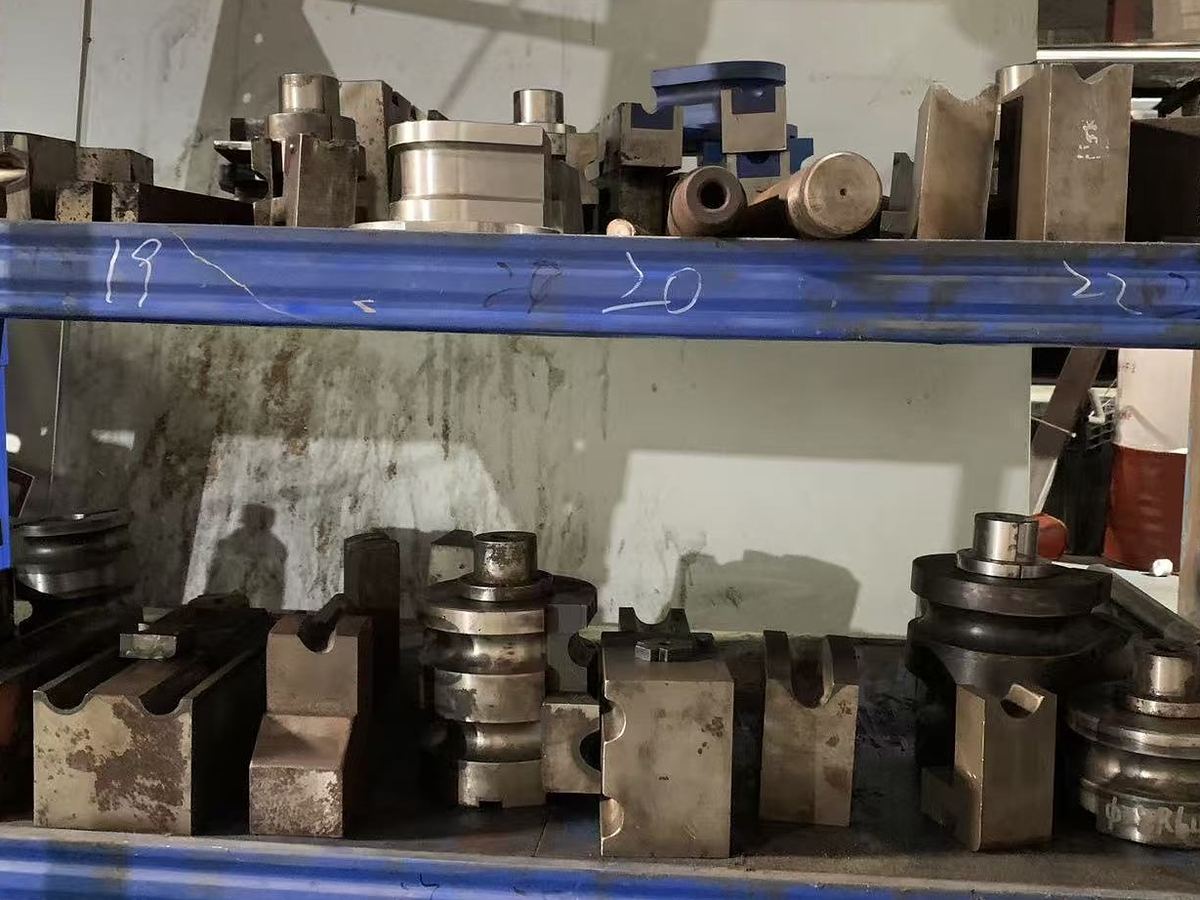
Racks of bend dies and clamps for tube from 4 to 150 mm
Bend dies and clamps on the rack, Ø4 to Ø150 mm. A special radius means a new die, not a workaround.
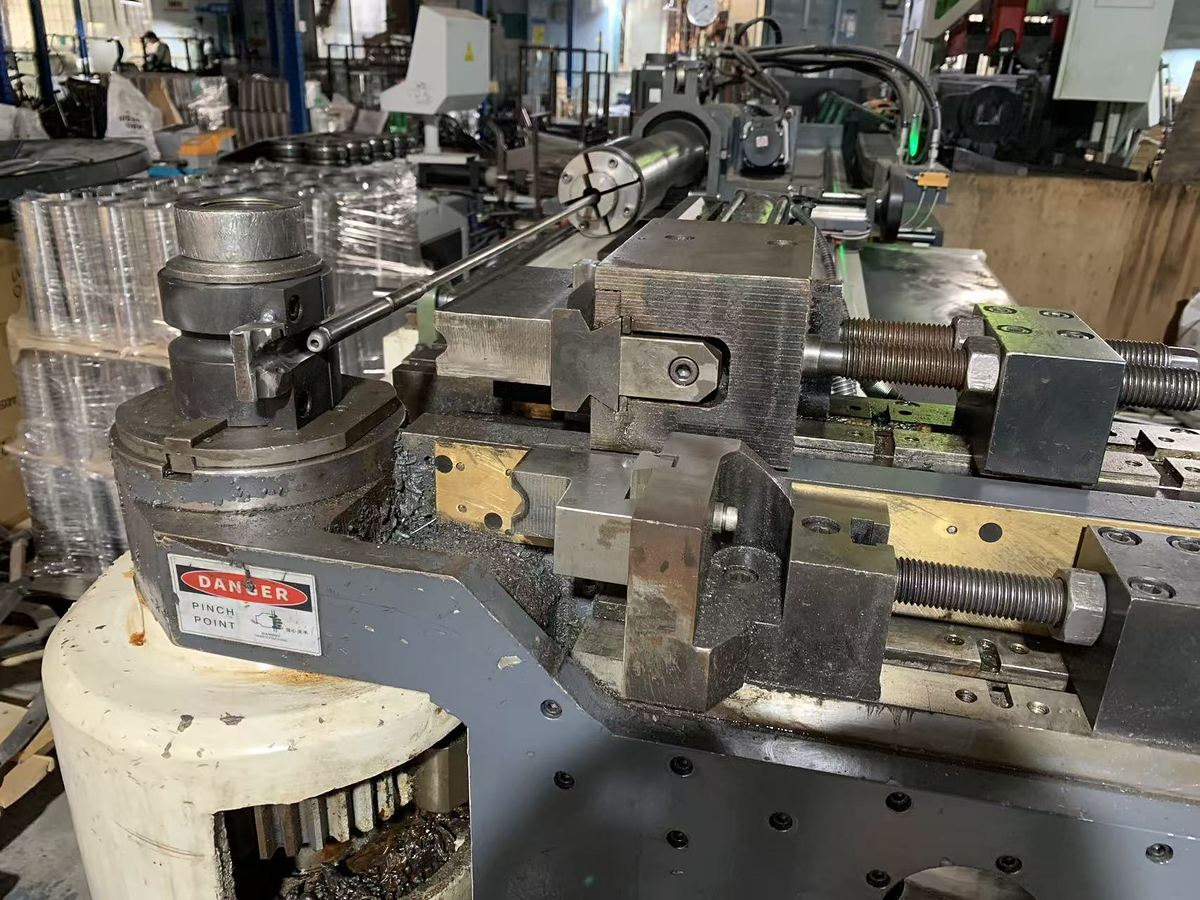
Bending die, clamp die and mandrel set up on a CNC tube bender
Die, clamp die and mandrel set up on a CNC bender. On 0.8 mm wall the mandrel is not optional.
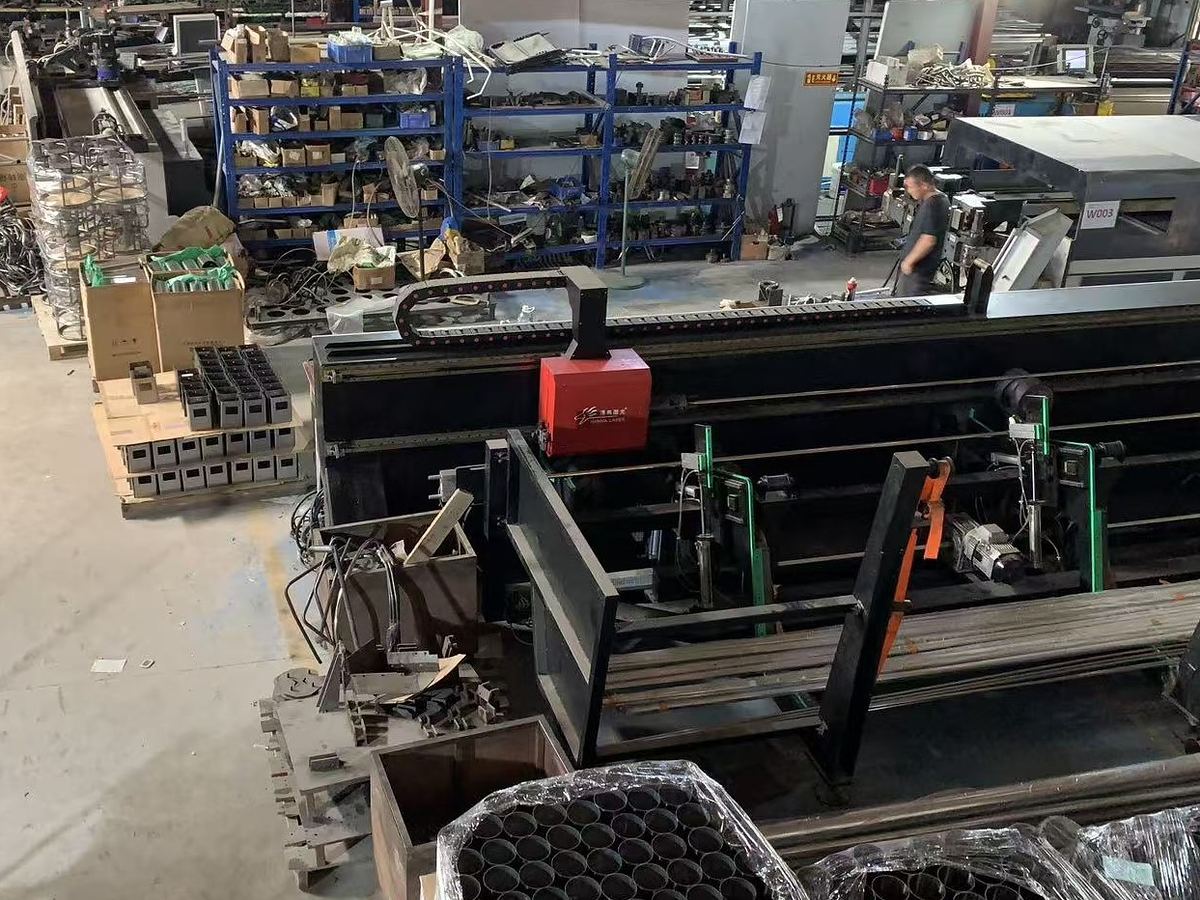
Laser cutting machine on the shop floor
Tube laser, Ø220 × 6 m. Cuts holes and end profiles before bending — cutting only, not bending.
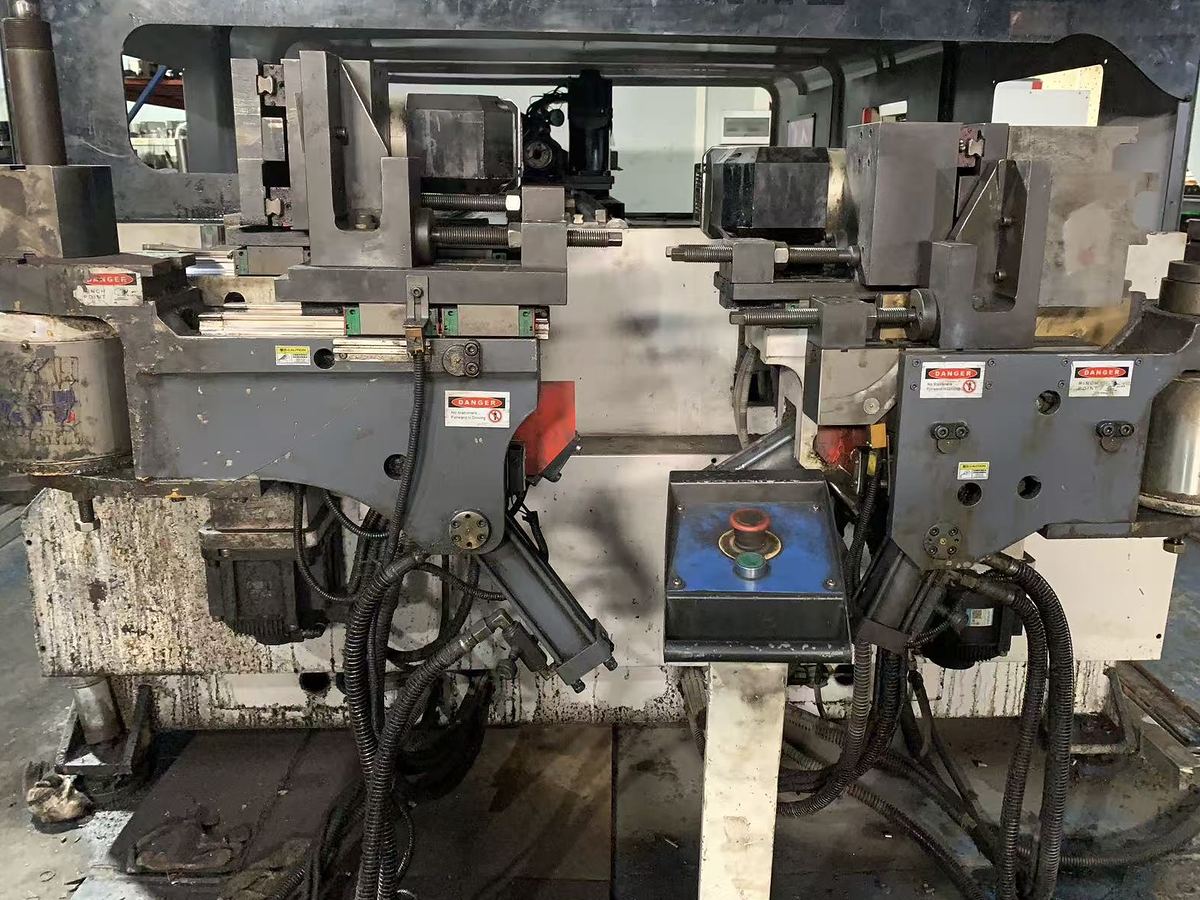
Dual-die push bending machine for large radius bends
Dual-die push bending machine. It makes the long shallow arcs a rotary bender cannot hold.

What comes off the machinesSame workshop, same operators — different diameters, radii and materials.

The point of these photographs is not that we can bend a tube. It is that the radius repeats: from part one to part five hundred, in a batch, across a mirrored pair, and on a tube long enough that the arc is barely visible.

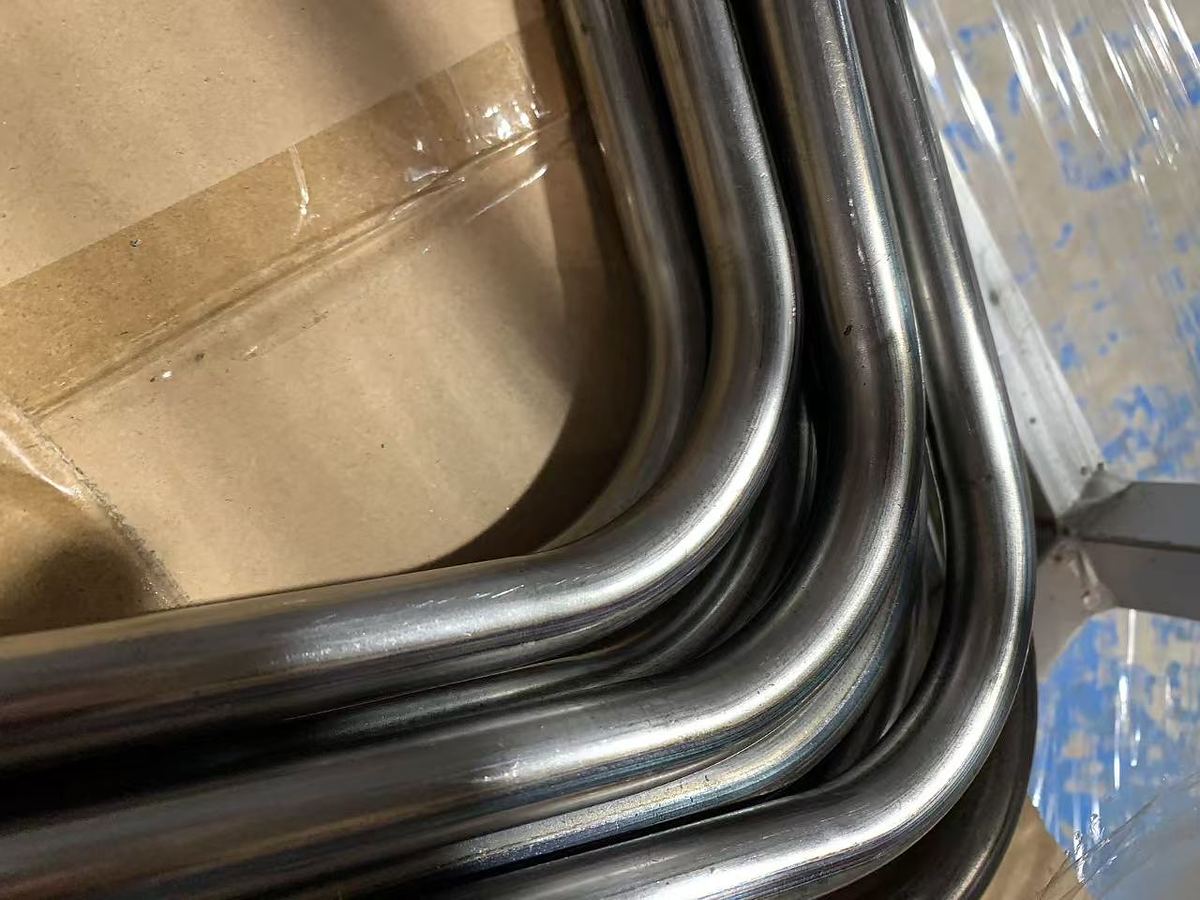
Nested stainless steel U-bends with a consistent bend radius
Stainless U-bends nested together. If the radius drifted, they would not nest.
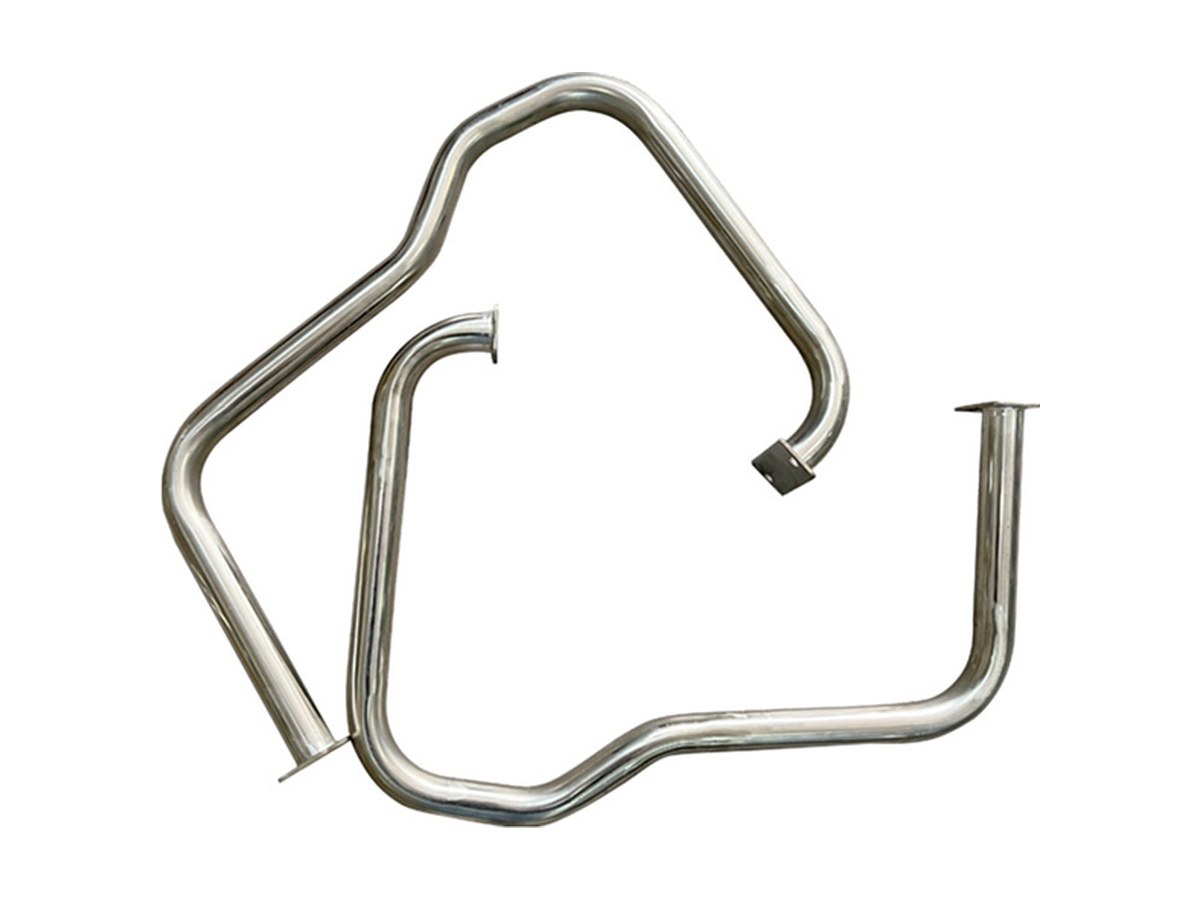
Mirror-image pair of stainless steel tubes with multiple short-pitch bends and welded end caps, unpainted
A mirrored left and right pair, several short-pitch bends each, welded end caps, before painting.
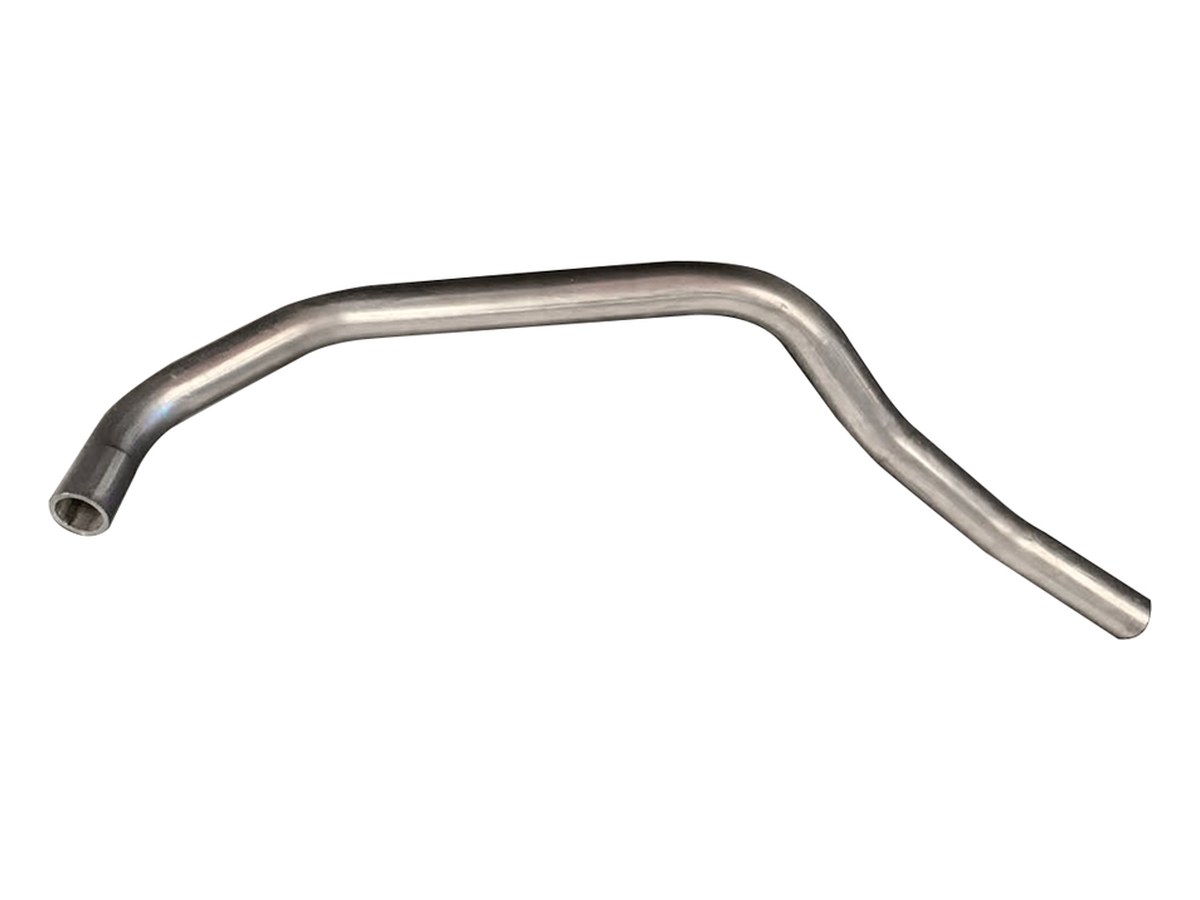
Single long tube formed with several consecutive bends in one plane, ends cut square and wall thickness visible
One tube, several consecutive bends in a single plane. Each bend adds its own tolerance — this is where it shows.
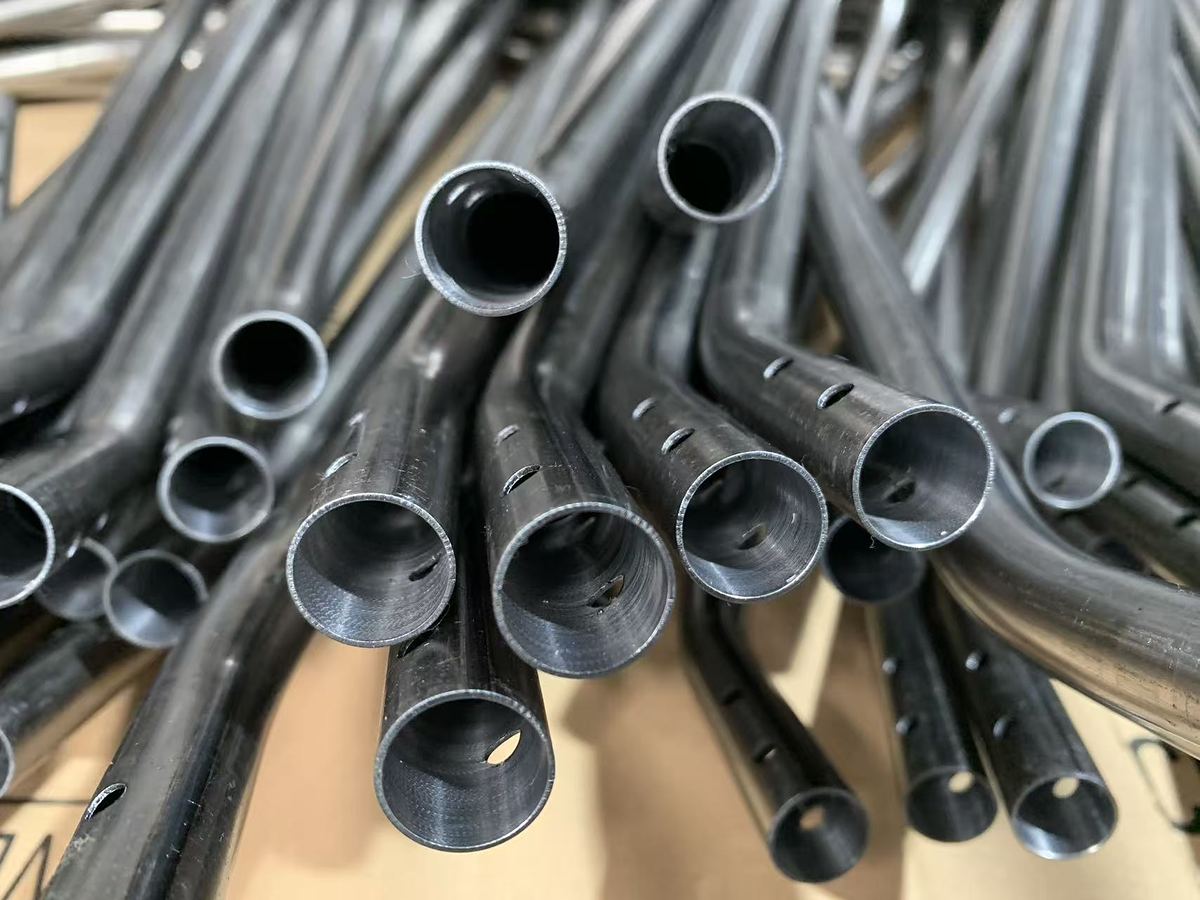
Cut and drilled ends of coated bent steel tube in a production batch
Batch parts after bending: ends cut square, holes drilled, coating applied — one part, three processes.
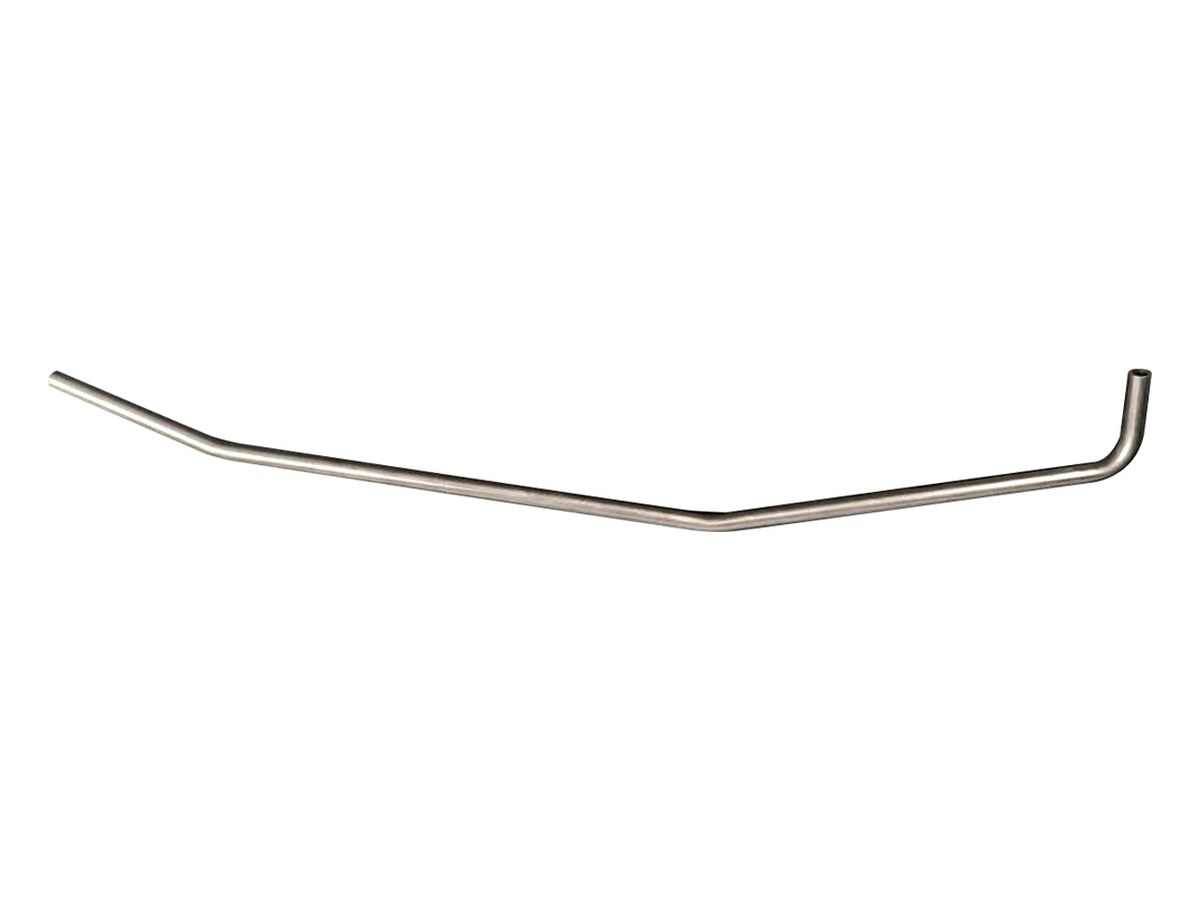
Long tube with a shallow large-radius arc and two further bends, ends cut square
A shallow large-radius arc plus two tighter bends on the same tube, ends cut square.
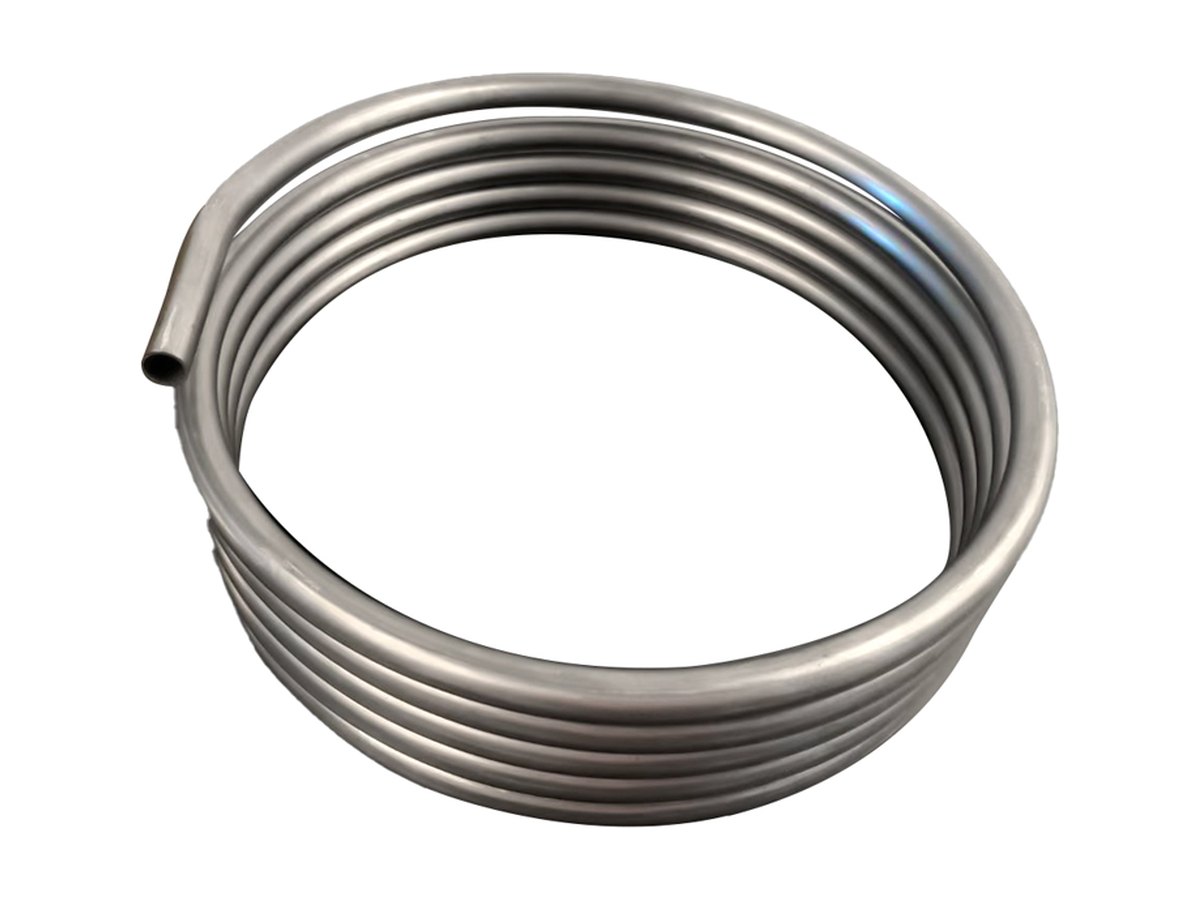
Stainless steel tube bent into a multi-turn coil with a consistent ring diameter
Stainless tube formed into a multi-turn coil — the same radius repeated until it closes on itself.
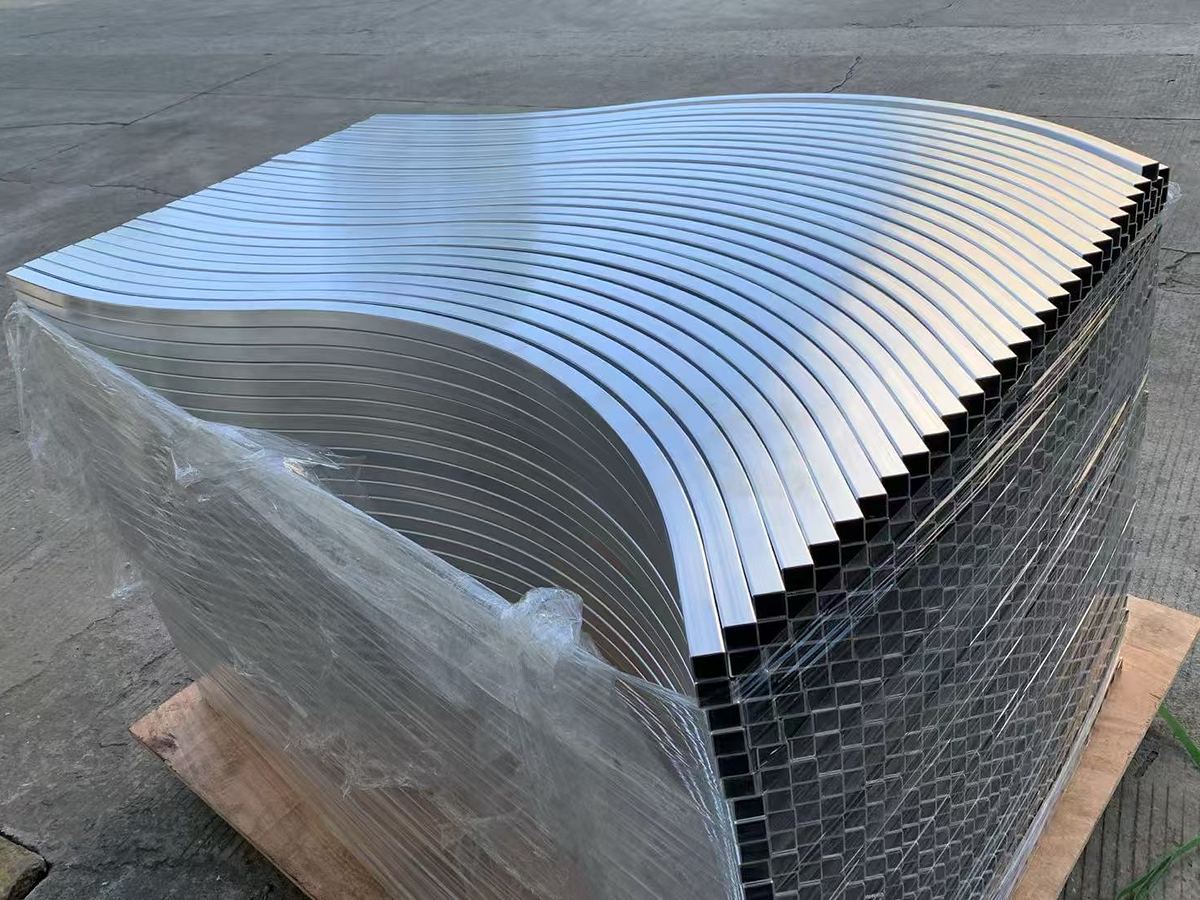
Stack of aluminium square tube bent to a large, consistent radius
Aluminium square tube, large radius. Square section is less forgiving than round; the stack shows the spread.
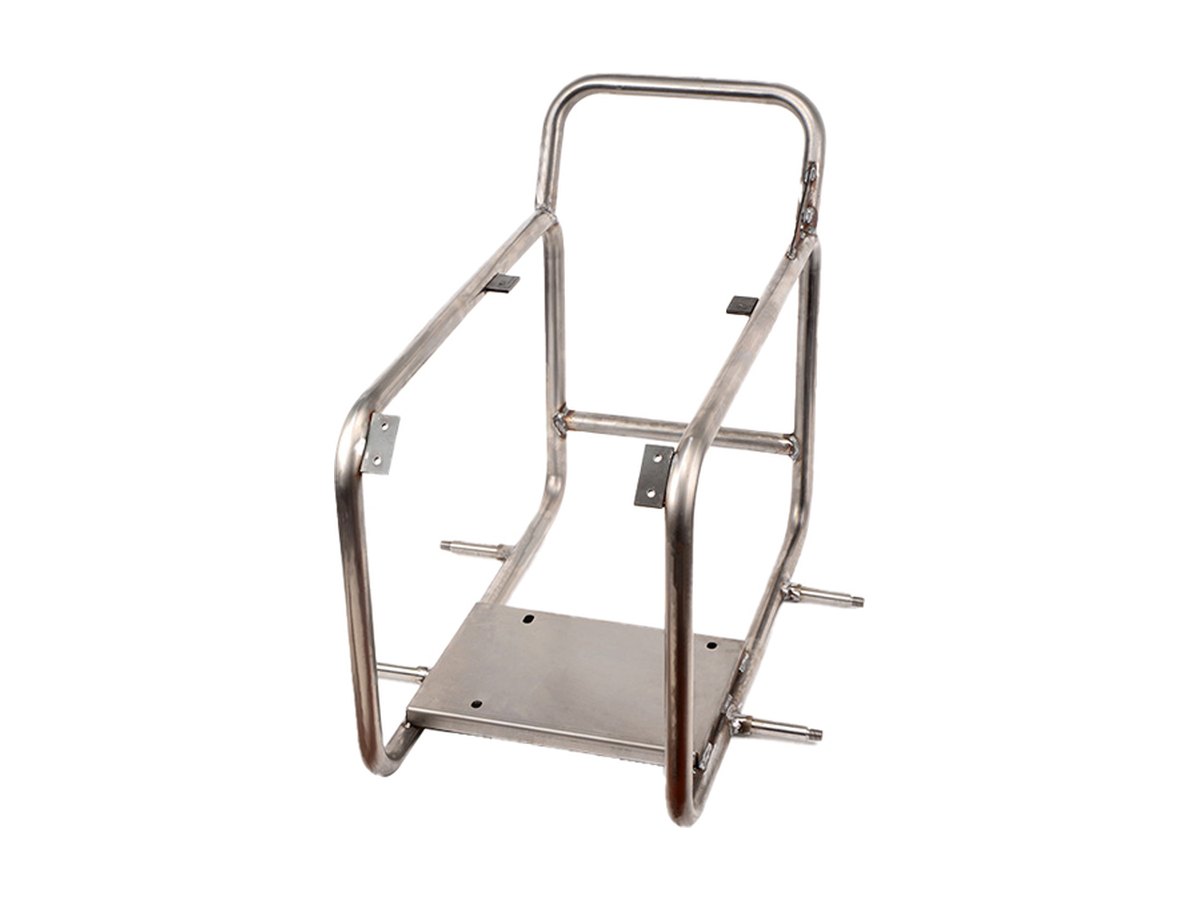
Stainless steel pump frame bent from round tube into a closed rectangular loop, with welded mounting plates, cross brace, sheet base plate and four cross legs
Pump frame: bent round tube closed into a loop, then welded to plates, brace and legs.
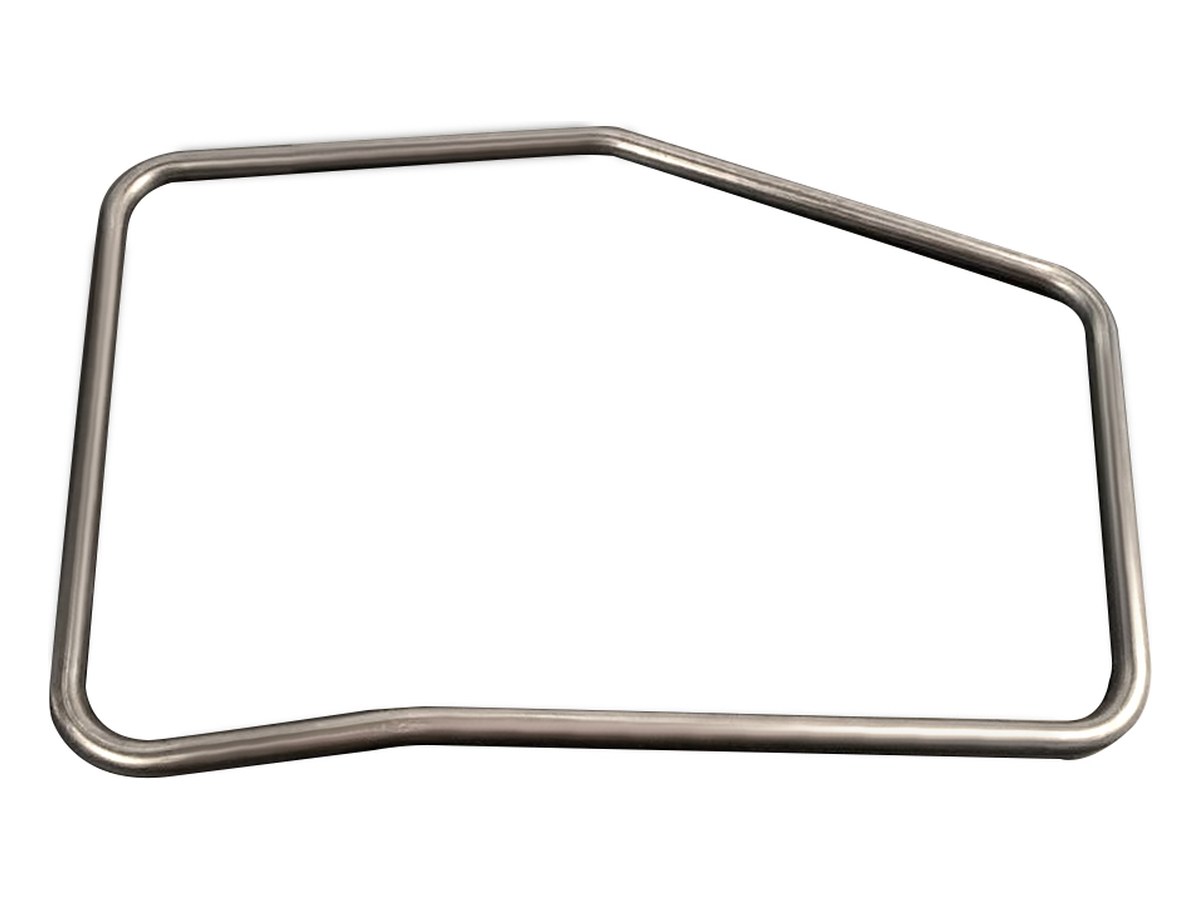
Large stainless steel tube bent into a closed trapezoid frame with rounded corners and two shallow bends, ends joined
A closed frame from one length: rounded corners, two shallow bends, ends joined.
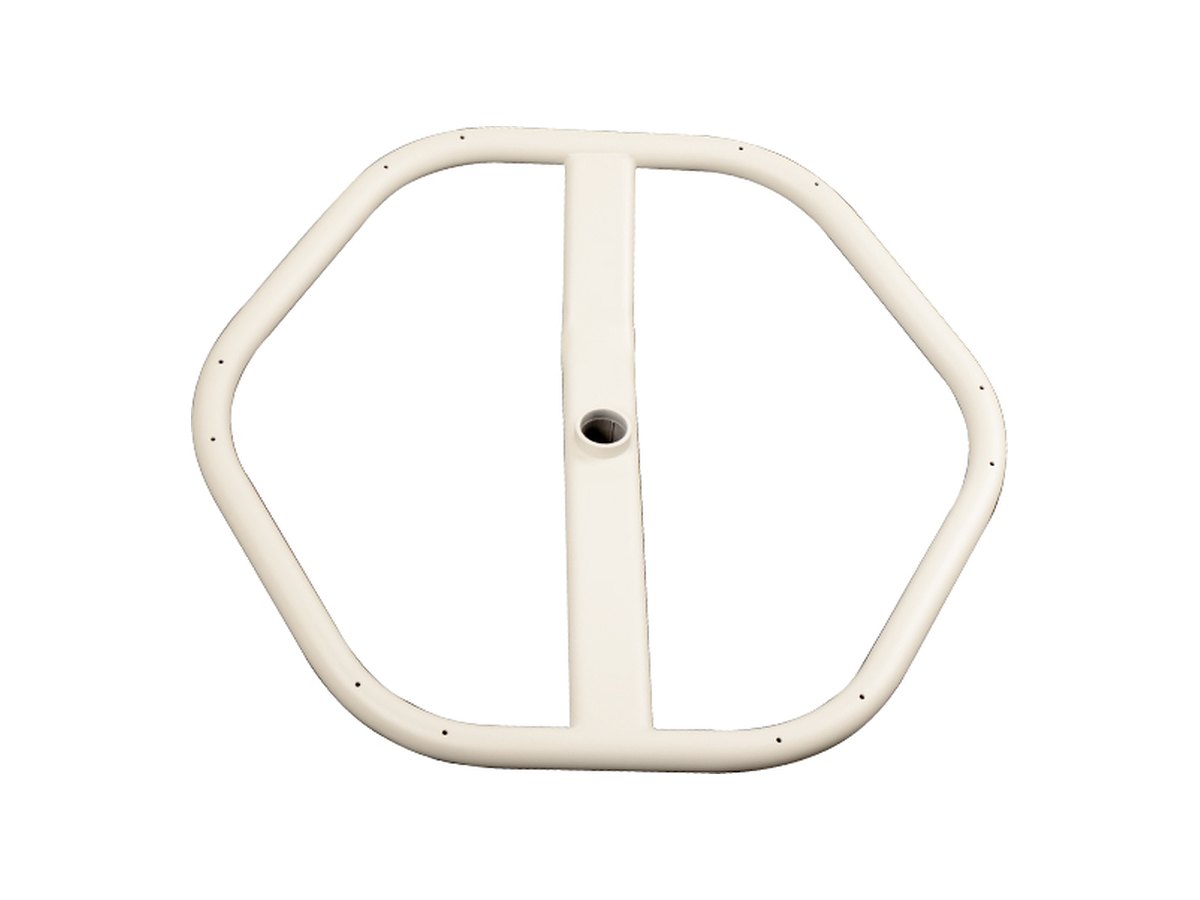
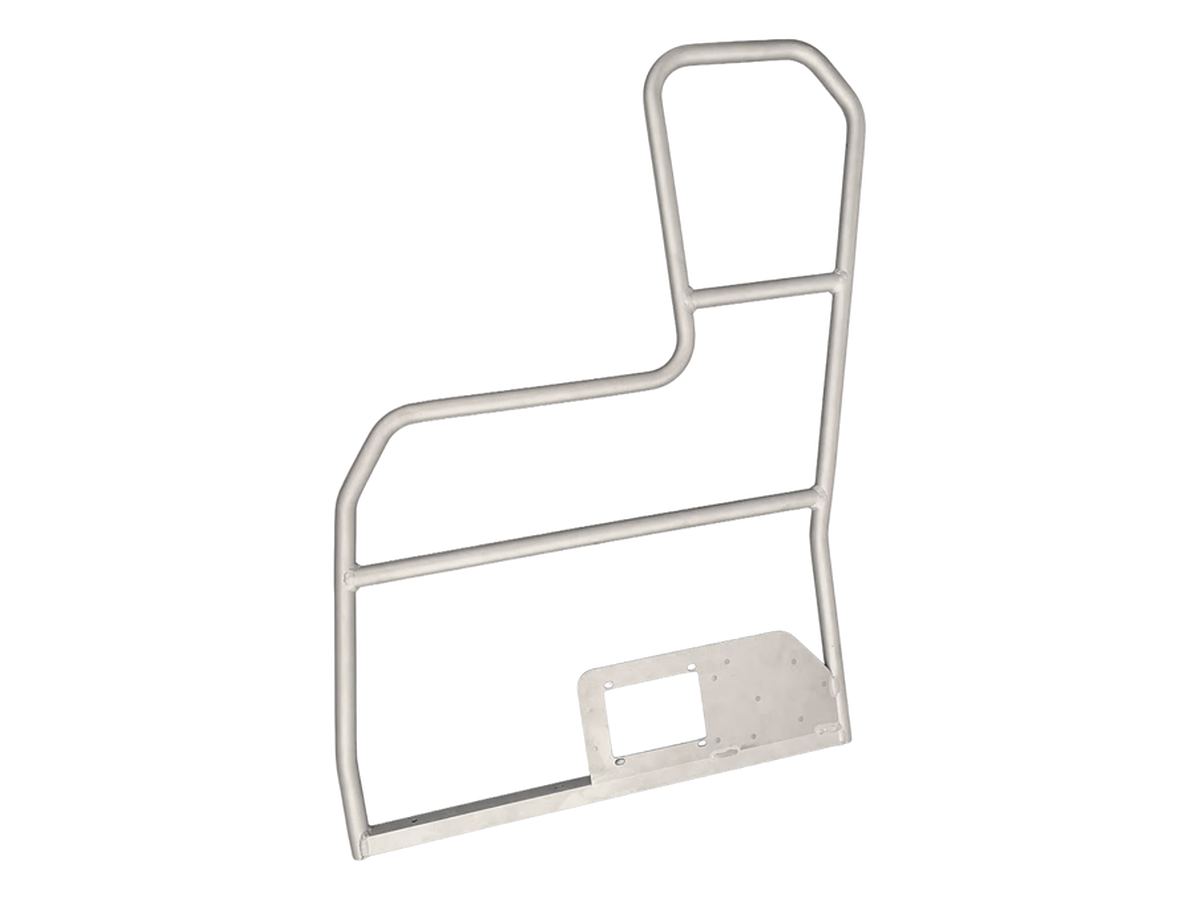
Closed-loop bent tube seat frame with flattened centre beam, pierced rim holes and welded joints, powder coated
Seat frame: bent loop, flattened centre beam, pierced holes, welded joints, powder coated.
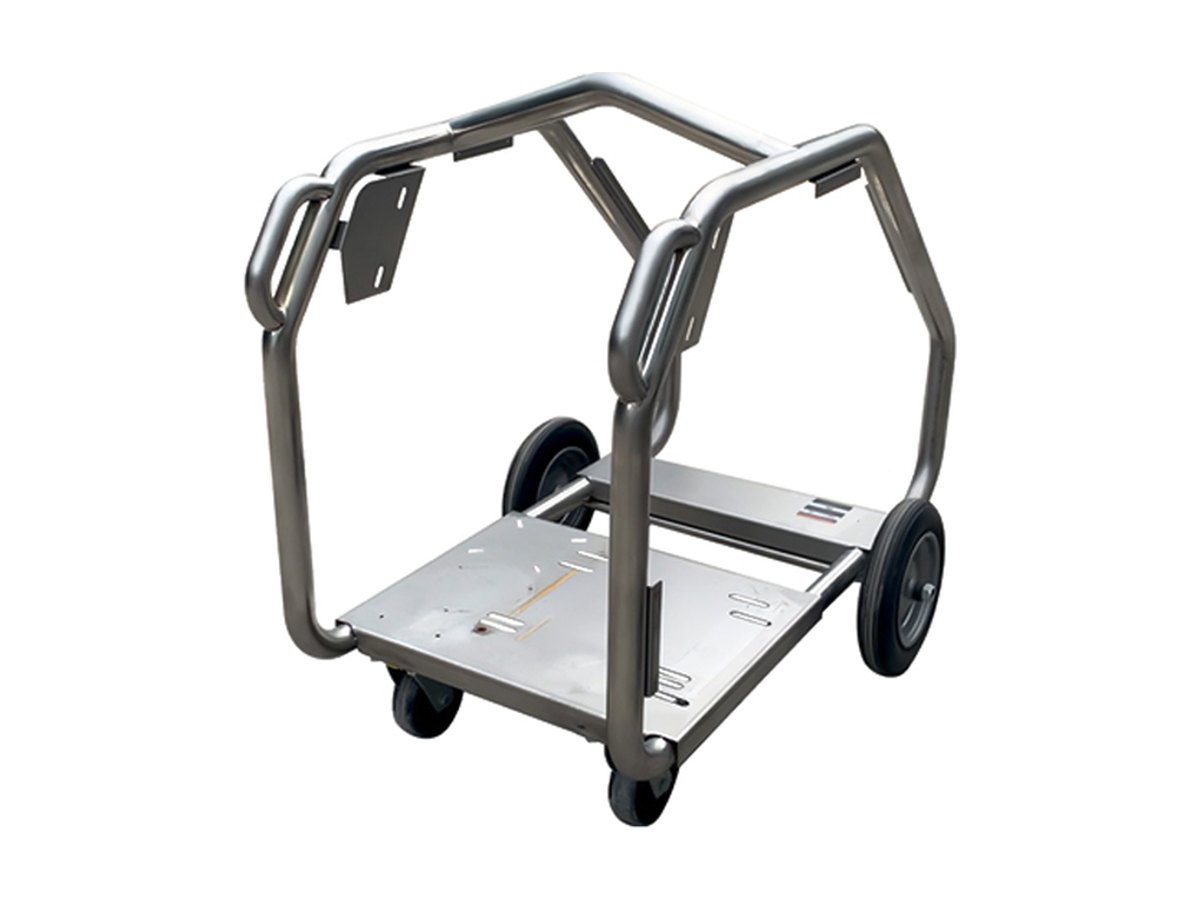
Welded stainless steel machine frame built from bent tube, sheet base plate and castors
Machine frame from bent stainless tube, sheet base plate and castors.
Welded aluminium car door frame made from bent tube and formed plate
Aluminium door frame: bent tube welded to a formed plate. Automotive parts are on a separate page.

Parts for handrails and guardrails — brackets, corner bends, bent posts — are described on handrail and guardrail tube components. Crash bars, guards, racks and handlebars are on motorcycle and automotive tube parts.

Bending is the main line. Eight processes run around it.They are what turn a bent tube into a part you can bolt on.

Laser cutting, CNC machining, sheet metal bending, welding and finishing, stamping and deep drawing, die casting, injection moulding and assembly all run at our sister workshops rather than under this roof. We say it plainly because it changes how lead time is planned, not because it changes what you get: one order, one schedule, one inspection sheet at the end.

See how parts are checked before they leave — first article report, dimensional sheet, packing.

Push bending, for the arcs a rotary bender cannot holdA different machine, a different limit.

A rotary draw bender works by pulling tube around a die, so the radius is tied to the die diameter. Large radius is a separate capability: the tube is pushed through a pair of dies and the arc is formed over a long span. That is how the shallow, wide curves in architectural and equipment frames are made. Ask for it as push bending or large radius on the drawing; the radius and tube size for your part are confirmed against the drawing rather than quoted from a table.

Limits — what we do not doSeven sentences we would rather you read now than discover in a quotation.

  1. We do not bend above Ø150 mm. The laser cutter reaches Ø220, but cutting and bending are two different limits.
  2. Above Ø90 mm there is one machine. Lead time is agreed case by case, not taken from the table.
  3. We are not a stockist. No catalogue fittings, no standard parts off the shelf. Everything starts from a drawing.
  4. We do not set guardrail heights or post spacing. That follows the code where the project is built. We machine to your drawing.
  5. ISO 9001 is expired. The certificate ran out on 8 September 2025 and re-certification is in progress. We do not describe ourselves as certified.
  6. Nothing here is EN 1090. We are not a structural steel fabricator. We machine to drawing and issue dimensional reports.
  7. We do not quote a price from an email. Tolerance, radius, wall and quantity all move it. Send the drawing and the engineer answers with a number you can hold us to.

Questions we get before the first order

What is the smallest and largest tube you can bend?
Ø4 mm to Ø150 mm outside diameter, round, square or oval, wall thickness 0.8–5 mm. Above Ø150 mm we do not bend, full stop. The laser tube cutter reaches Ø220 × 6 m, but that is cutting only — a Ø200 tube can be cut here and cannot be bent here.
Can you bend thin wall tube without it collapsing?
Yes, at 0.8 mm and above, with a mandrel inside the tube and a wiper die behind the bend. Wall thinning is held to 15% or less and ovality to 8% or less. Below 0.8 mm the risk of wrinkling rises with the radius, and we will say so before taking the order.
How long does a prototype take?
Three days for a standard round tube, when we have the drawing and an existing die of the right radius. A non-standard radius adds material purchase (7–10 days) and a new die (about 2 weeks) before the first bend is made.
What tolerance do you hold on a bend?
Bend angle ±1°, centreline radius ±1 mm, tangent length ±1 mm, cut length ±0.5 mm, wall thinning ≤15%, ovality ≤8%. These are the figures we inspect against. Tighter than this is quoted per drawing, and if it cannot be held we say so rather than accept the order.
Do you supply material certificates?
EN 10204 3.1 mill certificates and salt-spray test reports are available on request; ask for them with the order so they are attached to the inspection sheet. We do not hold a current ISO 9001 certificate. It expired on 8 September 2025 and re-certification is in progress.
Can you make a large radius arc?
Yes — by push bending rather than rotary draw bending. A long shallow arc is formed over a pair of dies instead of being pulled around one. The practical radius depends on tube size and wall; send the drawing and the engineer confirms whether it is a push bending job.
Do you make the whole assembly, or only the bent tube?
Usually the whole part: cutting, bending, welding, forming and assembly, checked as one item at the end. Some processes run at our sister workshops. That affects the schedule, so lead times for welded assemblies are quoted separately from plain bends.
Send the drawing. Get a bend feasibility answer first, price second.

Tell us tube size, wall, material and the radius you need. If it falls inside the table above, the engineer answers with tooling and lead time. If it does not, you hear that in the first reply instead of the third.